*Originally published on 2025-04-28. Details in this post may have changed since.*
Imagine you’re working on a confidential client project, your inbox is open, your password manager is on screen — and somewhere out there, a stranger is watching your every click.
Sound like a scene from Snowden? It’s not.
Welcome to the real-life nightmare of 2025, where workplace surveillance doesn’t just end with your boss — it might include *the entire internet.*
The Leak Heard ‘Round the Cubicle
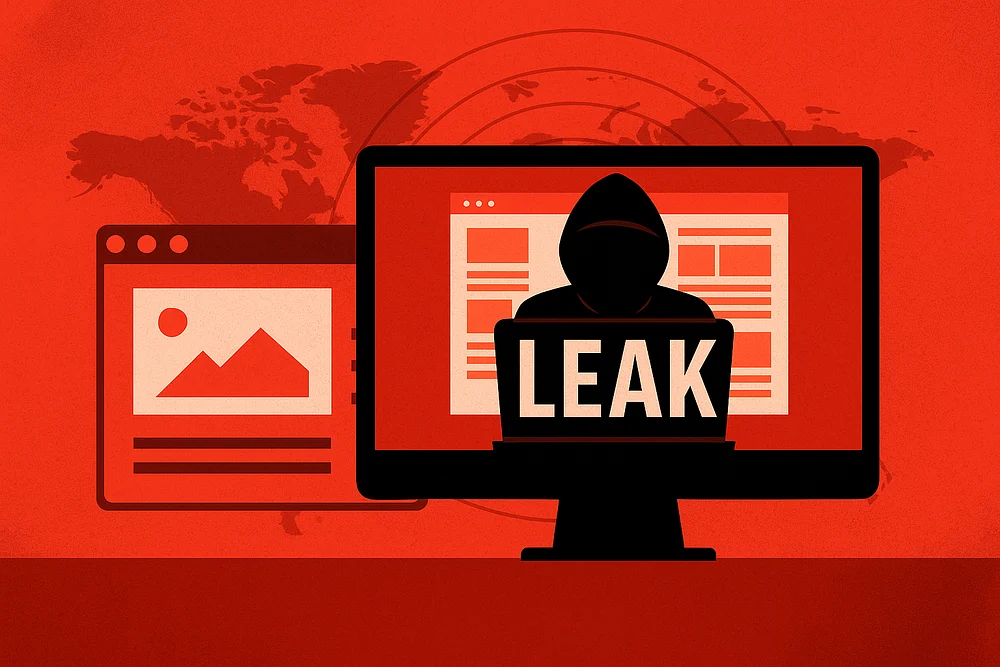
Researchers at Cybernews have dropped a bombshell: a workplace monitoring app called WorkComposer exposed more than 21 million real-time screenshots on the open web via an unsecured Amazon S3 bucket.
Yes, *21 million.*
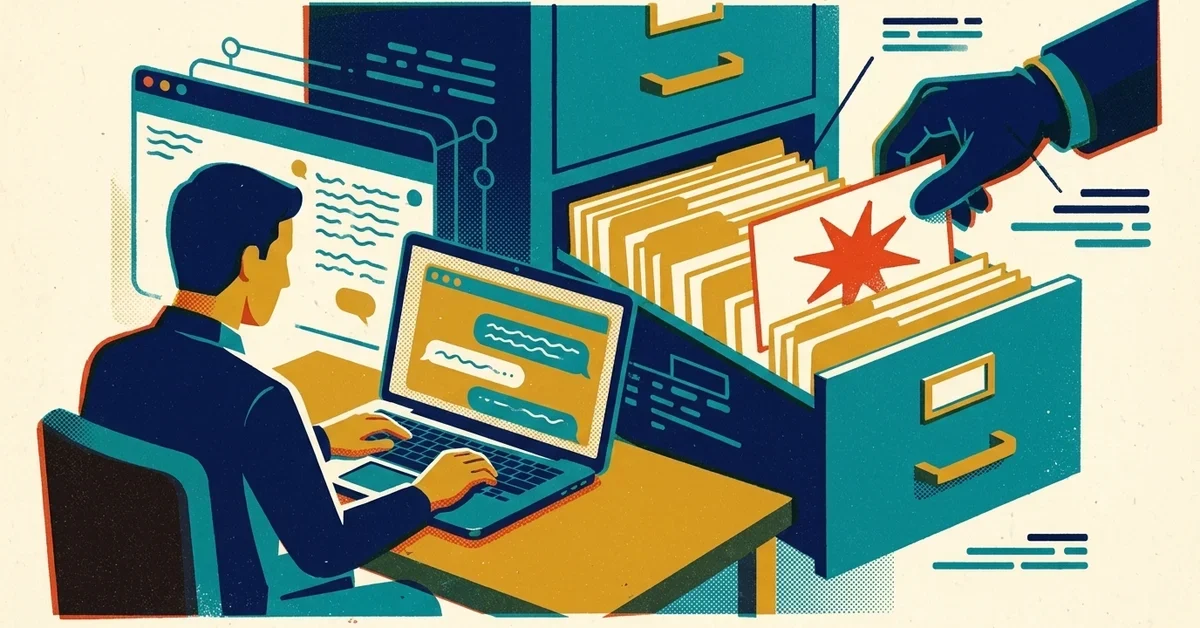
This wasn’t just metadata or vague activity logs. We’re talking full-screen, high-resolution peeks into what employees are doing — emails, chats, passwords, client files, API keys, financials — *all* viewable with nothing but a browser.
*“It’s like giving a hacker front-row seats to your business operations,” said a Cybernews researcher.*
WorkComposer, used by over 200,000 employees worldwide, has since locked down the data — but not before it was wide open for who-knows-how-long.
Screenshots Today, Lawsuits Tomorrow?
The implications go far beyond embarrassment:
- Login credentials in view? That’s a gateway to full-on breaches.
- GDPR and CCPA violations? Almost guaranteed.
- Client trust? Shattered.
According to IBM’s *Cost of a Data Breach 2023* report, the average cost of a breach has risen to $4.45 million, with compromised credentials accounting for 19% of initial access vectors.
And yes — *screenshots count.*
Surveillance or Security Hazard?
Apps like WorkComposer and WebWork (another monitoring app that previously leaked 13 million screenshots) claim they’re about “accountability.” In practice, they’re often just digital Big Brother.
And when security lapses like this occur, employees aren’t just monitored — they’re exposed.
A recent *Cisco Data Privacy Benchmark Study* found that 92% of consumers say they won’t do business with companies that fail to protect personal data. That includes employee data, too.
This is not just an IT problem. It’s a boardroom-level crisis waiting to happen.
If You’re an Employer, Ask Yourself:
- Are your employee monitoring tools secure?
- Could your screenshots or keystroke data be floating out in the wild?
- Have you checked your third-party vendors’ privacy practices?
If the answer is “I don’t know,” you need to act fast — before your business becomes front-page news for all the wrong reasons.
If you'd rather have someone handle this for you, talk to us.

No comments yet