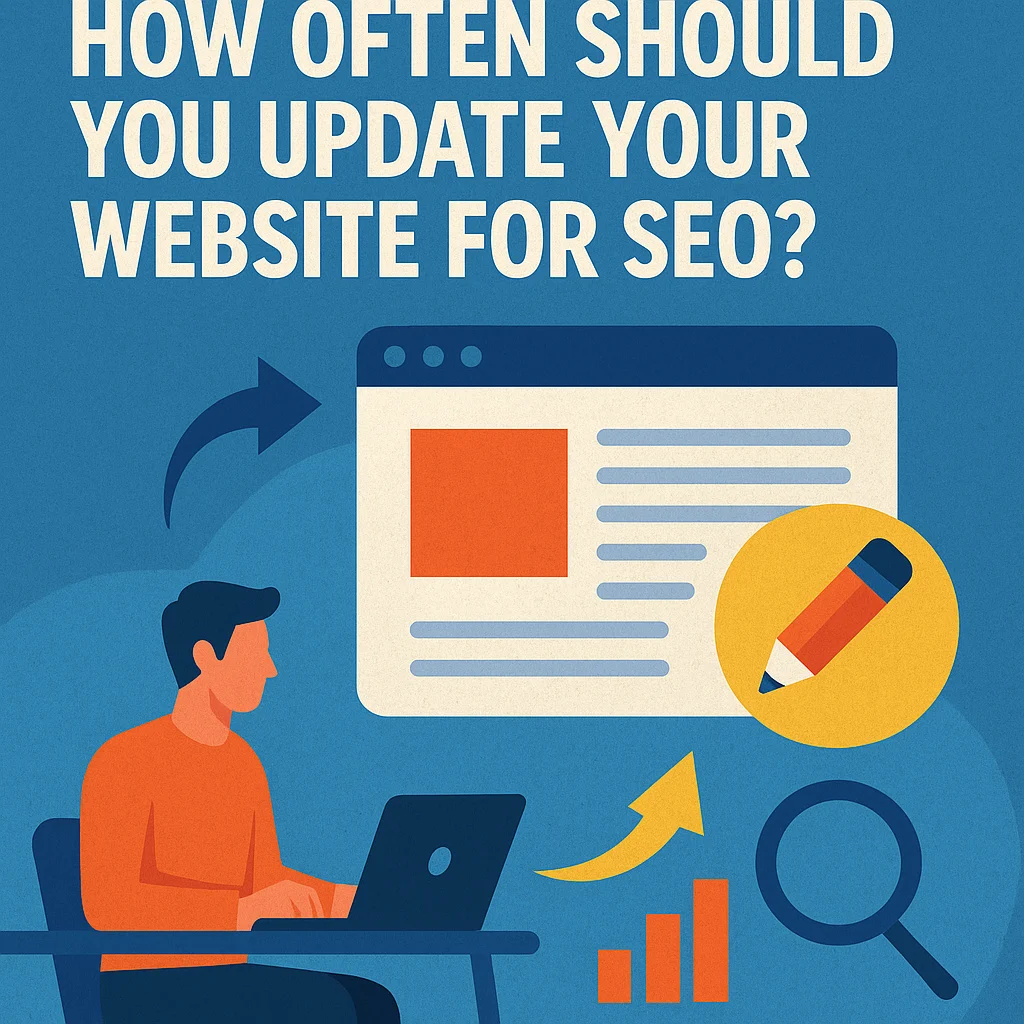
You’ve finally launched your website. It looks clean, your services are clearly listed, and you’ve even sprinkled in a few keywords. But weeks go by... and crickets. No calls. No form submissions. So you start wondering: “Do I need to keep updating my website for it to show up?”
Short answer: Yes.
But not every update has to be massive. In fact, smart, strategic updates are more important than constant overhauls. Let’s break it down.
Google Doesn’t Like Stale Websites
Search engines want to recommend websites that are *current, relevant, and useful*. If your site hasn’t been touched in over a year (or even six months), Google may assume it’s outdated—even if your services haven’t changed.
That could mean dropping lower in search results, especially if competitors are updating their sites regularly.
What Counts as an “Update”?
Updating your website doesn’t mean redesigning it every month. Here’s what counts:
- Adding new blog posts or service pages
- Refreshing older blog posts with updated info
- Rewriting headlines or page copy for clarity or SEO
- Adding client testimonials or project photos
- Fixing broken links or outdated contact info
Even small tweaks help signal to search engines that your site is alive and relevant.
How Often Should You Actually Update It?
Here’s a realistic cadence for small service-based businesses:
- Task: Add a blog post · Frequency: Daily - Weekly
- Task: Update service pages · Frequency: Every 6 months
- Task: Refresh homepage content · Frequency: Every 3–6 months
- Task: Run an SEO audit · Frequency: Quarterly
- Task: Add reviews/testimonials · Frequency: As they come in
You don’t need to obsess over it—but putting it on your calendar can make a big difference.
Why This Matters for Local SEO
Google prioritizes *relevant* and *up-to-date* results for local searches like “plumber near me” or “best landscaper in [city].” If your site hasn’t changed in a while, you’re more likely to get buried by competitors who are regularly updating their content—even if they don’t offer better service.
What If You Don’t Have Time?
We get it—most small business owners don’t have hours to write blogs or learn SEO. That’s where a digital partner comes in.
If you'd rather have someone handle this for you, talk to us.
No comments yet