You might want to double-check where that download came from.
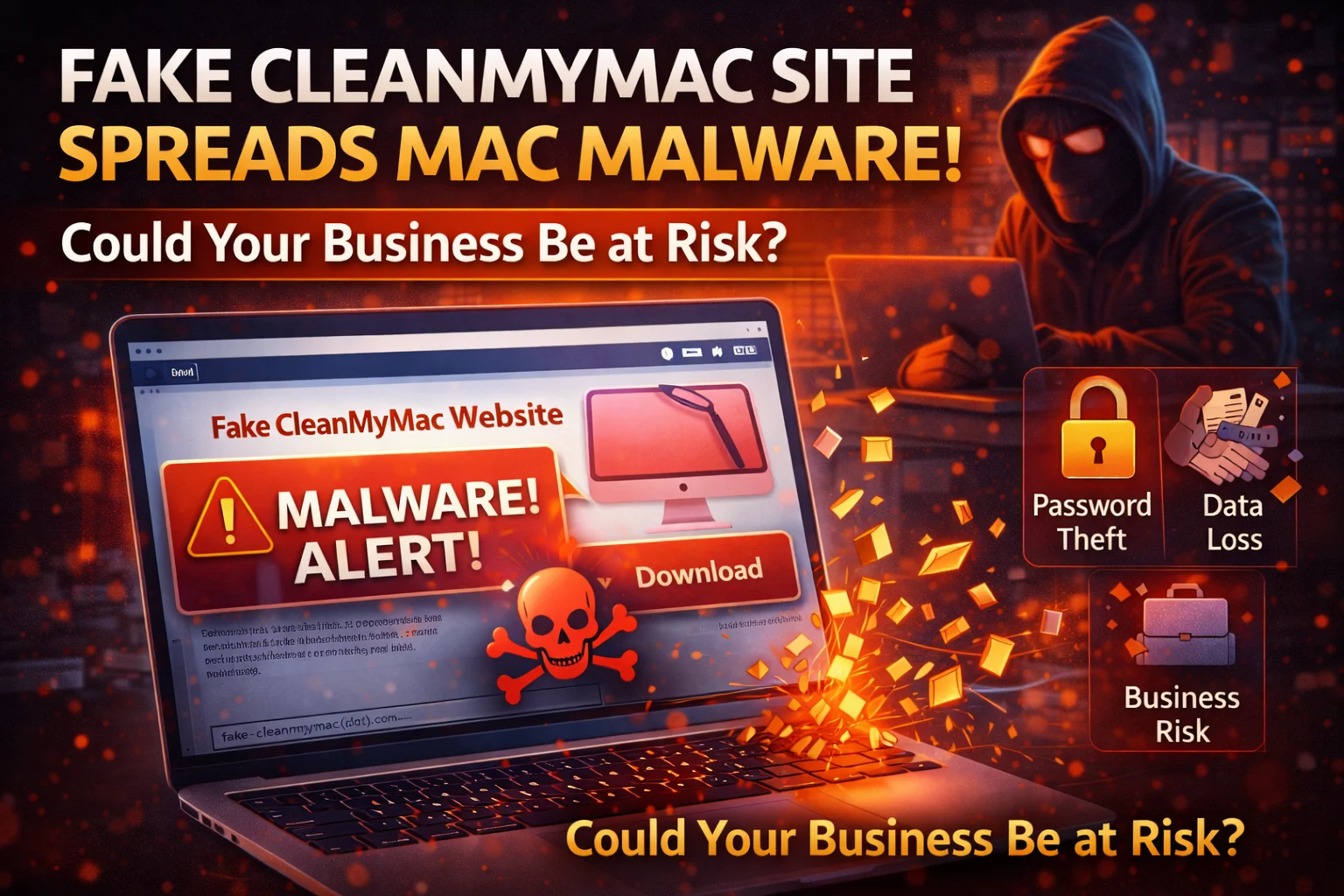
Security researchers recently discovered a fake CleanMyMac website spreading macOS malware, tricking users into installing an information-stealing program instead of the legitimate utility. The attack shows how easily cybercriminals can weaponize trusted software names to compromise computers.
And yes, even Mac users are being targeted more than ever.
The real CleanMyMac is a legitimate system optimization tool used by millions of Mac users to remove junk files and improve performance.
But attackers created convincing fake versions of the CleanMyMac website designed to trick users into downloading malware.
The process is simple and dangerous:
- A user searches online for a Mac cleanup tool.
- They click what appears to be a legitimate CleanMyMac download page.
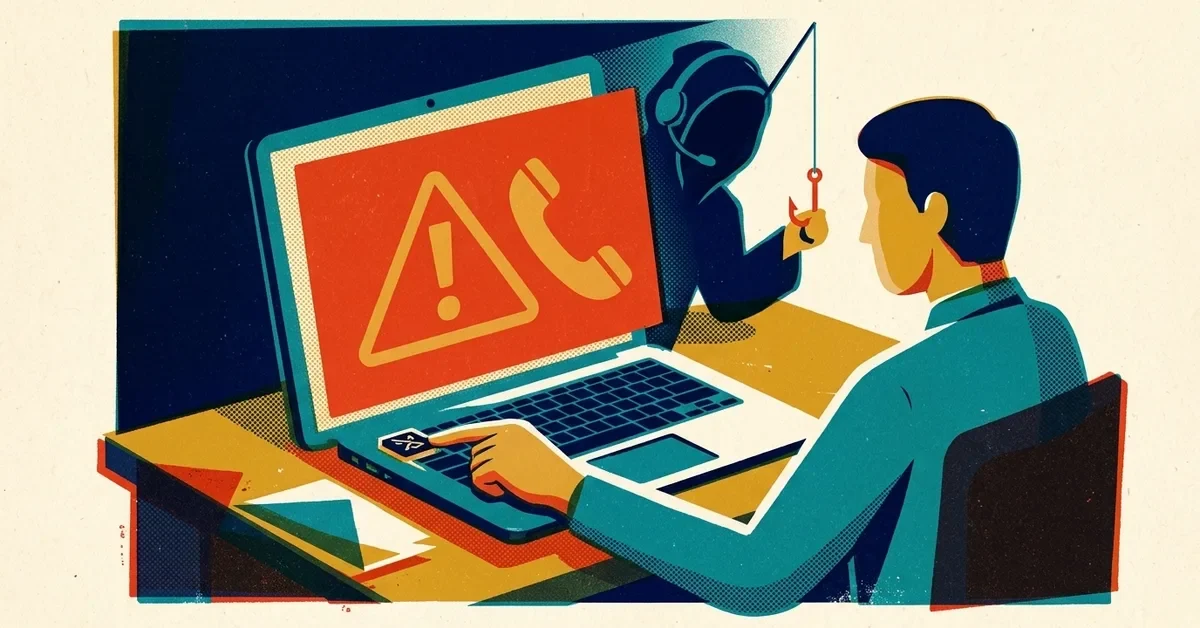
- The site prompts them to download a “cleaner” or run a command.
- Instead of installing the real tool, malware is installed on the system.
This malicious software is typically a macOS information stealer, designed to quietly harvest sensitive data.
What the Malware Actually Steals
Once installed, the malware can extract valuable information from the infected Mac, including:
- Saved browser passwords
- Login cookies and session tokens
- Cryptocurrency wallet data
- Documents and personal files
- Developer credentials or API keys
Modern macOS stealers are designed to blend into legitimate system processes and quietly send stolen data back to attacker servers.
For cybercriminals, that data can be used to:
- Hijack email accounts
- Access cloud storage
- Break into company systems
- Sell credentials on the dark web
Why Mac Users Are Being Targeted More
For years, many people believed Macs were immune to viruses.
That belief is exactly what attackers are exploiting.
macOS malware campaigns have grown rapidly in recent years, using fake downloads, malicious ads, and social engineering to infect devices.
Instead of exploiting technical vulnerabilities, attackers focus on tricking users into installing malware themselves.
And it works.
Why This Is a Big Deal for Small Businesses
Small businesses often rely heavily on MacBooks and Apple devices for daily work.
That means a single infected device could expose:
- Client information
- Business contracts
- Accounting files
- Customer emails
- Cloud logins
In many cases, stolen credentials allow attackers to jump from one device to your entire business network.
What started as a fake software download can quickly turn into:
- Email account takeover
- Data theft
- Financial fraud
- Ransomware attacks
For small businesses, that kind of breach can be devastating.
Quick Tips to Avoid Fake Software Downloads
If you use Mac computers in your business, follow these basic rules:
Only download apps from official sources
Use the Mac App Store or the developer’s verified website.
Avoid “cracked” or free versions of paid software
These are one of the most common malware delivery methods.
Be cautious with ads in search results
Some malicious websites appear as sponsored results.
Use endpoint protection and monitoring tools
Modern malware often bypasses basic security settings.
If you'd rather have someone handle this for you, talk to us.