You're posting on Facebook, Instagram, TikTok and LinkedIn. Maybe Threads too, because someone said you should.
Every account gets a little attention. None of them get enough. And the phone still isn't ringing.
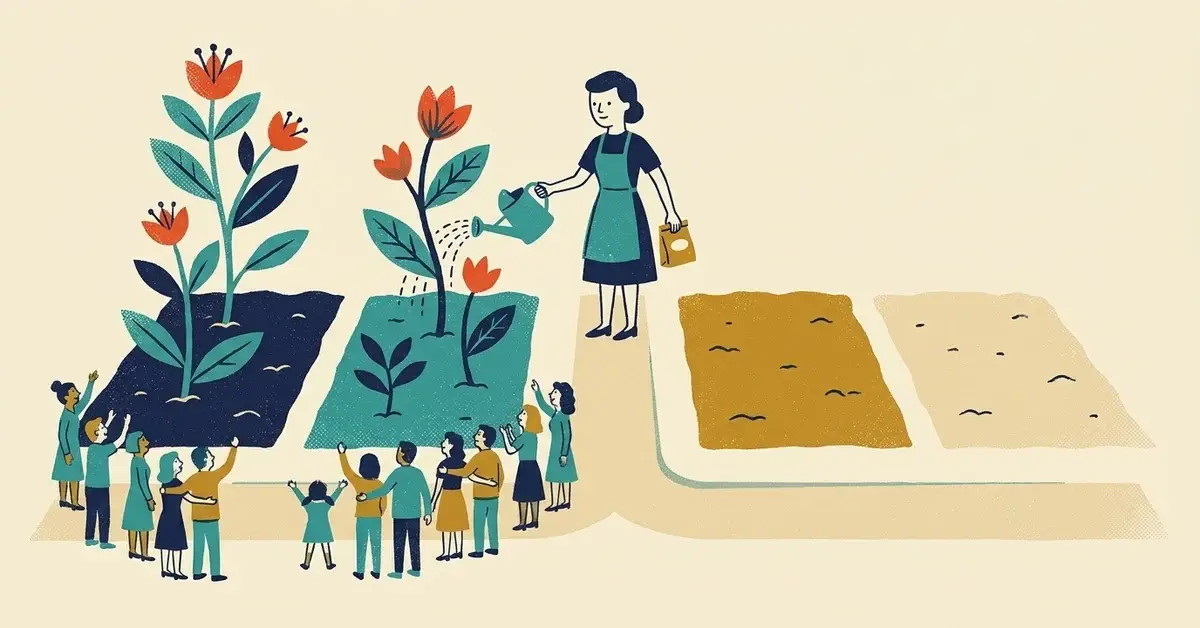
That's not a content problem. It's a spread problem.
The quick answer
- Pick two platforms. One primary, where most of your effort goes. One secondary, where you reuse what you made for the first.
- Choose them by your customer, not by what's trending: who buys from you, how old they are, and whether they're a homeowner or a business.
- Match the platform to the job: Facebook for local trust, Instagram for visual proof, TikTok for reaching strangers, LinkedIn for B2B referrals.
- Pause the rest. Don't delete them. Point them at the two you're keeping.
- Give it 90 days before you judge, and judge by inquiries, not likes.
Start with the job, not the app
Before you compare platforms, answer one question: what do you need social media to do for you this quarter?
- Local leads from people nearby who need you soon?
- Recognition, so people remember your name when they do need you?
- Referrals and partners, from other businesses?
- Proof, so a prospect who's already heard of you trusts you faster?
Most small businesses need one or two of those, not all four. Each platform is better at some jobs than others.
Where your customers actually are
Pew Research Center's 2025 survey of U.S. adults (5,022 adults, surveyed February to June 2025) found:
- YouTube: 84% of adults use it.
- Facebook: 71%, and it peaks with 30- to 49-year-olds at 80%.
- Instagram: 50% of adults, but 80% of 18- to 29-year-olds and only 19% of those 65 and older.
- TikTok: 37% of adults, and Pew finds it far more popular with adults under 30 than with those 65 and older.
So the age of your typical customer matters more than any trend piece.
A roofer whose customers are mostly 45-plus homeowners and a nail salon whose clients are mostly in their twenties should not have the same plan.
What each platform is good at
Here's the short version, side by side.
Platform | Its best job | Skip it as your primary if... |
|---|---|---|
Local trust, community groups, reviews and proof | Your customers are mostly under 25 | |
Showing your work: photos, Reels, Stories | You have nothing visual and won't do video | |
TikTok | Reaching people who've never heard of you | You need leads this month and won't post on camera |
B2B trust, referrals, partnerships | You sell only to homeowners |
Facebook: local trust
If you sell to people in your town, Facebook is still where a lot of them are, especially the 30- to 49-year-olds who are often the ones hiring a plumber or booking a dentist.
What works:
- Before-and-after photos
- "Here's what we fixed today" posts
- Customer reviews, shared with their permission
- Answering when someone in a local group asks "who do you recommend?"
That last one costs nothing and often beats a polished post.
Instagram: your showroom
Instagram is where a prospect goes to see whether your work looks good.
What works:
- Reels: short videos, one idea each. A finished project, a quick tip, a two-second "before" and a long "after."
- Stories: quick updates, polls, "this or that."
- Carousels: a few slides, like "3 mistakes people make with..."
If your customers skew older, Pew's numbers say a lot of them won't be there. Use it as your secondary, not your primary.
TikTok: reaching strangers
TikTok isn't a portfolio. It's how people who don't know you yet find you.
What works is clear, useful and watchable, not polished:
- "If you see this, do this" tips
- "3 signs you need..." videos
- Problem, fix, result, in under a minute
It's strongest with younger adults. If your buyers are mostly 50-plus and you need leads now, expect a slow ramp.
LinkedIn: B2B reputation
LinkedIn isn't for going viral. It's for being the name another business thinks of.
It fits IT, accounting, legal, consulting, commercial trades and anyone who gets work through referrals.
What works:
- A short "here's what I learned this week" post
- A plain-English how-to
- A clear opinion on something in your industry
- A project write-up, with no client details unless they've said yes
If you only ever sell to homeowners, LinkedIn is a networking tool at best. Don't make it your primary.
Pick your two
Find the line that sounds most like you.
- Local service business selling to homeowners: Facebook + Instagram. Add TikTok later if you're comfortable on camera.
- B2B or referral-driven: LinkedIn + Facebook. Add YouTube or Instagram later, depending on whether you make video.
- You teach, and you're happy on camera: TikTok + Instagram. Add Facebook if you serve a local market.
- You hate video: Facebook + LinkedIn, or Facebook + Instagram with photos first.
Still stuck between two? Pick the one your last five paying customers are most likely to use. Ask them. It's a two-minute conversation.
How much to post
You don't need a marketing department's schedule. A routine you'll keep beats a big plan you drop in week three.
A realistic starting point:
- Primary: 2 to 4 posts a week.
- Secondary: 1 to 3 a week, mostly reworked from your primary.
- Replies and comments: 10 minutes a day, or three 20-minute blocks a week.
If that's still too much, halve it. Consistent beats frequent.
If you're already spread across five platforms
You don't have to delete anything. Do this instead:
- Pick your two using the list above.
- On every other account, update the bio to say where you're active now, and pin a post that links there.
- Check the contact details on the accounts you're pausing. An old phone number on a dormant profile is a lost lead.
- Turn on notifications for messages on the paused accounts, so a customer who finds you there still gets an answer.
- Stop posting there. That's it.
Track it so you know it's working
Likes don't pay the bills. Give it 90 days, and track what does.
A simple spreadsheet, one row per week:
Column | What goes in it |
|---|---|
Week of | The Monday date |
Platform | Primary or secondary |
Posts | How many went out |
Inquiries | Calls, messages, form fills that mention social |
Booked | How many turned into work |
Notes | What got the most replies, and why you think so |
Add "How did you hear about us?" to your contact form and your phone script if it isn't there already. That one question does more than any analytics dashboard.
After 90 days, keep what brings in inquiries. Swap what doesn't.
When to get help
- You've posted consistently for three months and can't connect a single inquiry to it.
- Nobody on your team has time to post or reply, so accounts go quiet for weeks.
- Your profiles show old phone numbers, hours or addresses, and you can't remember the logins to fix them.
If you'd like someone to set up the routine with you, get in touch.
Related reading
- How Often Should You Post? The No-Burnout Schedule
- Never Run Out of Post Ideas: The 5 Content Buckets
- Posting Tools That Save Hours: The Cheap Tech Stack for Scheduling Content
Originally published February 2026.




No comments yet